




Gutter Installation in Columbus, MS
Columbus sits along the Tombigbee River in Lowndes County, and the geography matters when it comes to water management. The river bottomland and flat terrain across much of the city means that water does not always have a clear path away from structures once it hits the ground. When a roof sheds several inches of rain during a spring storm and the gutters are not doing their job, that water tends to stay close to the house longer than it should. Over time, that is what causes the kind of foundation and moisture problems that Columbus homeowners often do not trace back to their gutters until significant damage has already been done.
A well-installed gutter system changes that equation by taking control of where the water goes from the moment it leaves the roof:
- It channels runoff away from the foundation and toward areas where drainage can occur without threatening the structure.
- It protects exterior wood elements — fascia, soffits, and trim — from the sustained moisture exposure that Columbus’s humidity makes especially damaging.
- It reduces the splash-back erosion that eats away at soil, mulch, and landscaping along the base of the house year after year.
- It keeps crawl spaces and lower-level areas significantly drier through the wet seasons that Lowndes County sees each spring and fall.
Ensz & Sons has been building systems that manage all of this correctly for more than 30 years, and we bring that experience to every job we take in Columbus.
Our Services
- Aluminum Gutter Installation & Repair
- Commercial Gutter Installation
- Copper Gutter Installation & Repair
- Custom Gutter Installation & Repair
- Downspout Drain Installation & Repair
- Gutter Cleaning Services
- Gutter Guard Installation
- Gutter Helmet Installation
- Gutter Installation
- Gutter Inspection
- Gutter Repair
- Half Round Gutter Installation & Repair
- Leaf Guard System Installation
- Seamless Gutter Installation & Repair
- Steel Gutter Installation & Repair
- Zinc Gutter Installation & Repair
Contact Us
Why Homeowners in Columbus, MS Trust Us
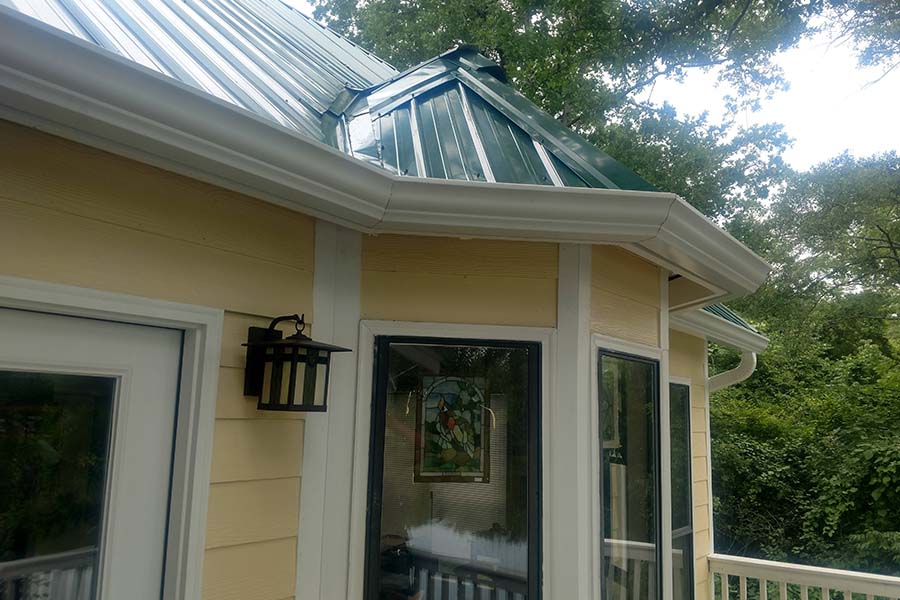
The Advantages of Professional Gutter Installation for Your Home
Columbus has a wide range of housing — from antebellum-era homes in the historic district along College Street to mid-century neighborhoods near Mississippi University for Women and newer residential developments on the city’s outskirts. Gutter installation across that spectrum is not uniform work. Roofline pitch, fascia material, structural age, and tree canopy coverage all influence what a system needs to do and how it needs to be built. Professional installers account for that variation; generic crews often do not.
The practical advantages of a properly done installation include:
- Correctly calculated pitch on every run so water moves consistently toward downspouts without sitting in low spots.
- Downspout placement that accounts for where the ground slopes and where saturation near the foundation is most likely to cause problems.
- Mounting hardware appropriate for the fascia condition, whether that is solid new wood on a recent build or aged material on an older Columbus property.
- Proper sealing at every joint and connection point to minimize the leak points that develop between seasonal maintenance visits.
- A finished system sized for real Mississippi rainfall volumes, not just average conditions.
When the installation is done right, it simply works — quietly protecting the home through every season without demanding constant attention.
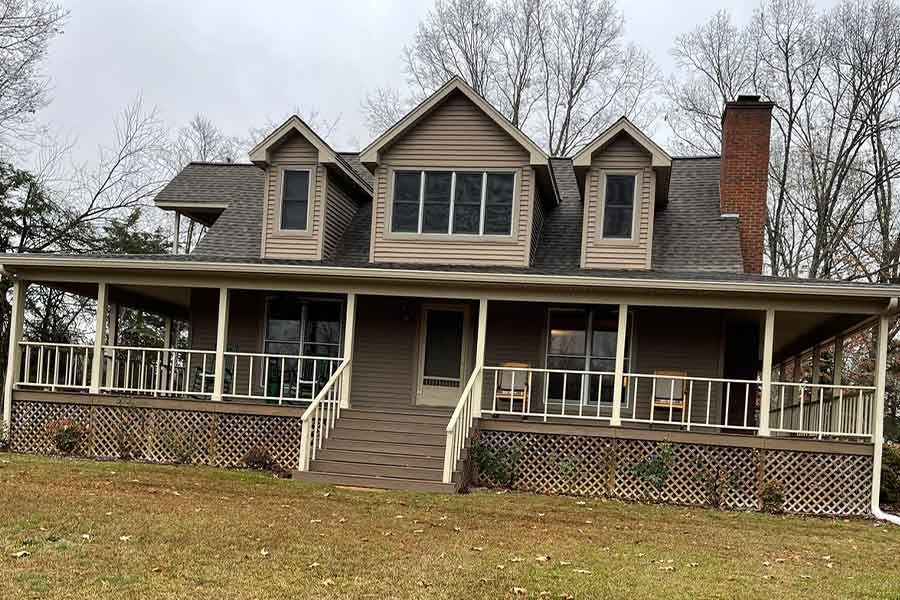
Gutter Materials and Styles for Columbus Homes
Columbus homeowners deal with a specific set of conditions: flat to gently rolling terrain that limits natural drainage away from structures, a river-adjacent humidity level that is notably higher than other parts of North Mississippi, and a housing stock that ranges from genuinely historic properties to new builds that need systems designed for long-term performance. The right gutter material depends on where your home falls in that range and what you are trying to accomplish.
We work with several options and help homeowners choose based on practical fit:
- Aluminum handles the humidity and rainfall well, does not rust in wet conditions, and is available in profiles and colors that work across Columbus’s variety of home styles.
- Steel makes sense for homes with longer roof runs or steeper pitches that generate high water volume during heavy storms.
- Copper is a premium option we install for homeowners with historic or high-end properties who want material that develops a natural patina and outlasts most alternatives.
- Seamless gutters are worth considering for any Columbus homeowner who has dealt with chronic joint leaks, since fewer seams mean fewer places for problems to start.
We assess each home individually and talk through the options honestly — the goal is a system that fits the house and holds up over time, not the most expensive option we can sell.
How Properly Installed Gutters Protect Your Columbus Home
Columbus’s position along the Tombigbee corridor gives the city a character all its own, but it also means dealing with a moisture environment that puts real pressure on homes year-round. The combination of river proximity, heavy seasonal rainfall, and the relatively flat terrain across much of Lowndes County creates conditions where water management around the home perimeter is genuinely critical — not a nice-to-have.
Homes in Columbus that have poorly functioning or missing gutters tend to show the consequences in predictable ways. Foundation slabs and pier-and-beam structures both suffer when water consistently saturates the soil around them and then dries out, repeating that cycle season after season. The clay and silt soils common in this part of Mississippi are particularly responsive to moisture changes, expanding when wet and contracting when dry in ways that stress foundation elements over time. At the roofline, water that runs off uncontrolled saturates fascia boards from above while splash-back from the ground hits wood trim from below — and Lowndes County’s humidity keeps those surfaces from drying out between rain events the way they might in a drier climate.
Getting the gutter installation right is the single most cost-effective step most Columbus homeowners can take to interrupt that cycle before it compounds into something expensive.
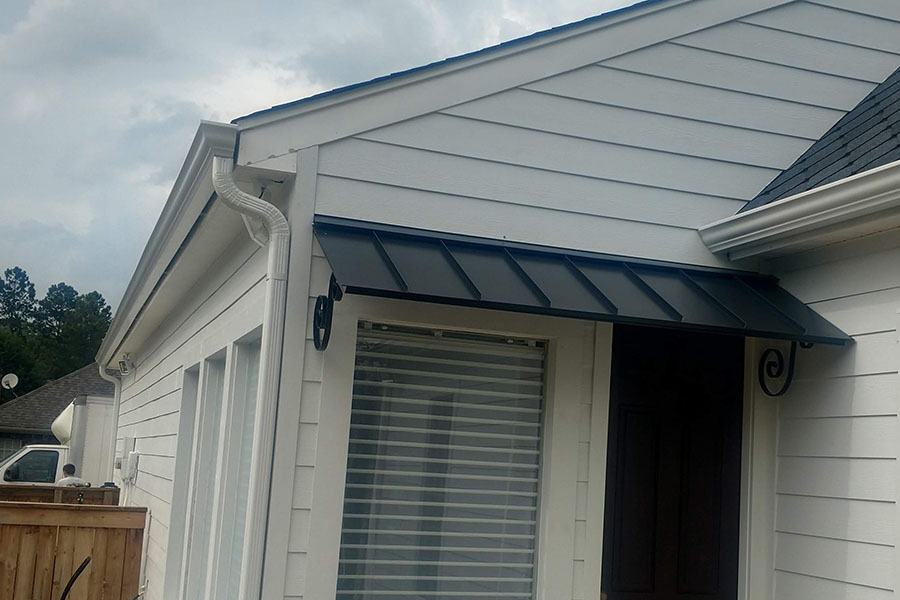
A Foundation Concern That Turned Out to Be a Gutter Problem on College Street
A homeowner named Dennis called us about a property near College Street in Columbus’s historic district. He had a beautiful older home — the kind with wide eaves, deep roof overhangs, and character you cannot replicate in new construction — and he was worried about some minor cracking he had noticed along the interior walls near the corners of the house. His contractor had mentioned it might be foundation movement.
Before any foundation work was done, we suggested a gutter inspection. What we found was a system that had been patched over the years until it barely functioned: standing water in three sections, two downspouts completely disconnected at the elbow, and one entire run that had detached from the fascia and was depositing water directly against the foundation on the west side of the house. That side of the house was also the shadiest, meaning the soil there never fully dried between rain events.
We replaced the full system, extended the downspout exits well away from the foundation, and made sure every run had the right pitch to drain completely after each rain. Dennis reached back out about a year later to say the wall cracking had not progressed and his contractor now thought it was likely related to the water issue rather than anything structural. One proper gutter installation had probably saved him a significant foundation repair bill.
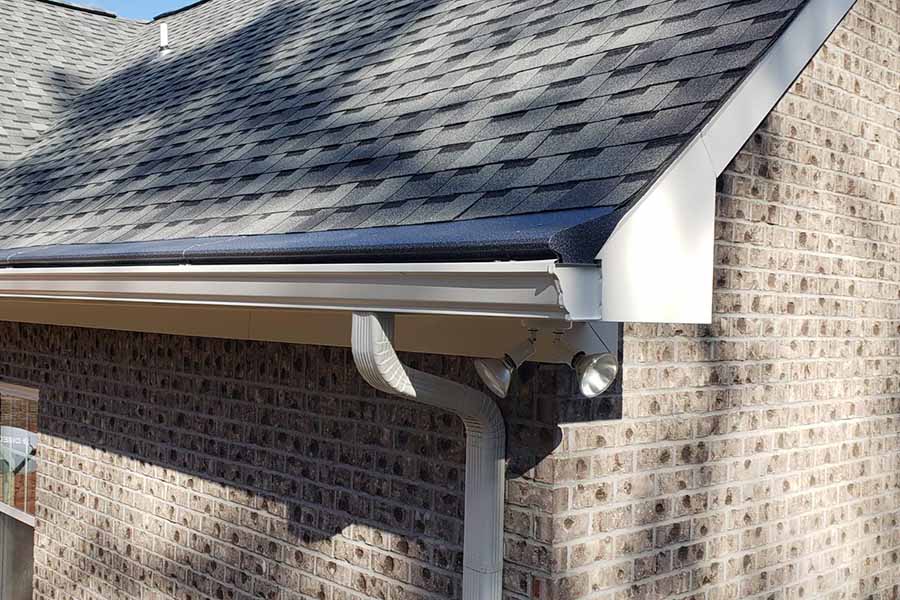

Why Columbus Homeowners Choose Ensz & Sons
We have been doing this work across North Mississippi since 1991, and Columbus has been part of our service area throughout that time. We do not rely on advertising to keep the business going — about 80% of what we do comes from repeat customers and referrals, which tells you something about how people feel about the work after it is done.
Working with Ensz & Sons means:
- A no-shortcuts approach to every installation — we build to last, and we have projects from three decades ago still performing as evidence.
- An experienced, well-staffed team that can handle standard residential work as well as custom copper installations on Columbus’s historic properties.
- Communication throughout the job that keeps homeowners informed from the first visit through final cleanup.
- The ability to bundle services when homeowners want to address multiple exterior needs without juggling separate contractors.
We are proud of the reputation we have built in this region, and we protect it by doing right by every customer we work with.
Frequently Asked Questions
Does the flat terrain in Columbus make gutter installation more complicated?
It can, because flat ground limits natural drainage away from the house. We account for that when positioning downspouts and determining where water needs to be directed so it moves away from the foundation rather than pooling near it.
How does living near the Tombigbee River affect gutter maintenance needs?
River proximity generally means higher ambient humidity, which can accelerate corrosion on lower-quality materials and keep wood surfaces from drying out between rain events. It is one reason we recommend materials well-suited to humid environments for Columbus installations.
Can gutters be installed on a home with wide historic overhangs?
Yes. Deep overhangs are common on older Columbus homes, and we work with the existing roofline geometry to mount gutters in a way that captures runoff effectively without altering the character of the exterior.
What should I do if I notice water staining on my fascia or soffits?
That is usually a sign that gutters are overflowing, improperly pitched, or have developed a leak at a joint or end cap. It is worth having it looked at before the moisture works its way further into the wood.
How long do gutters typically last in Columbus's climate?
A properly installed aluminum system in a humid climate like Lowndes County can last 20 years or more with reasonable maintenance. Material quality and installation technique both play a big role in how close to that upper end your system gets.